Silence & Solitude
The creative balancing of solitude and community is part of the history of monasticism, and the history of our Order. An atmosphere of silence and solitude is essential to our life of prayer.

In solitude, we learn to surrender to the work of God, to know God’s presence in a deep and intimate way, and to rest in that presence. As we open ourselves to the tender embrace of Christ we experience our solidarity and communion with all the peoples of the world. In the heart of God, we are all one!
In times of solitude we are brought by God to deep self-knowledge, a necessary part of the life of prayer. Solitude, which is both purifying and transforming, helps us know the truth of our being and what we are living for.
Daily Prayer in Silence and Solitude

Chapter 10 of the Carmelite Rule says that a Carmelite is to stay in or near her cell, always watchful in prayer, unless occupied in some other necessary occupation. From our earliest beginnings on Mount Carmel, Carmelites have dedicated themselves to contemplative prayer in solitary places.
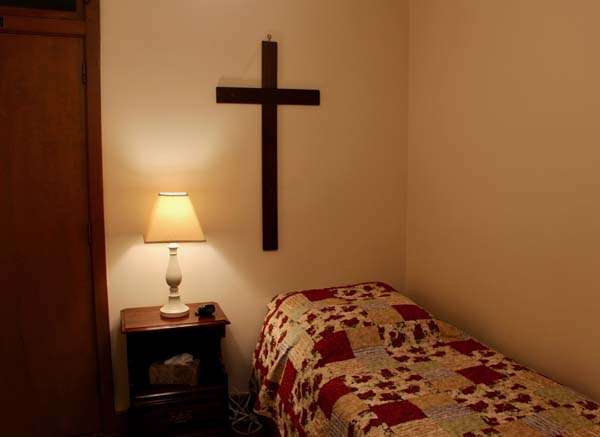
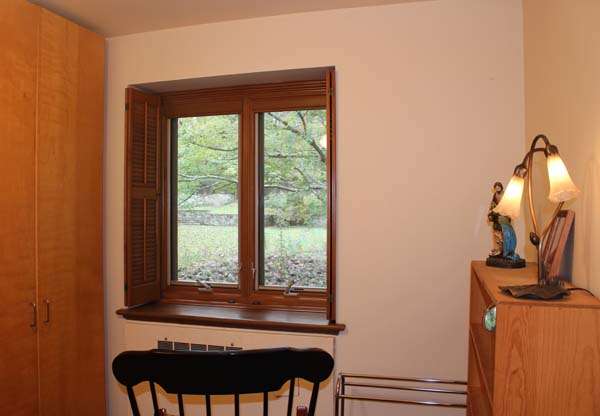
According to our ancient Rule, the cell is the Carmelite’s intimate place of encounter with God where each sister is challenged to give her life totally to Christ whose love educates and transforms her desire.
This, then, is Carmelite spirituality: an attraction for open spaces and solitude, interior liberty, simplicity, and unity under the impulse of the Spirit of Love.
— Paul-Marie of the Cross, OCD
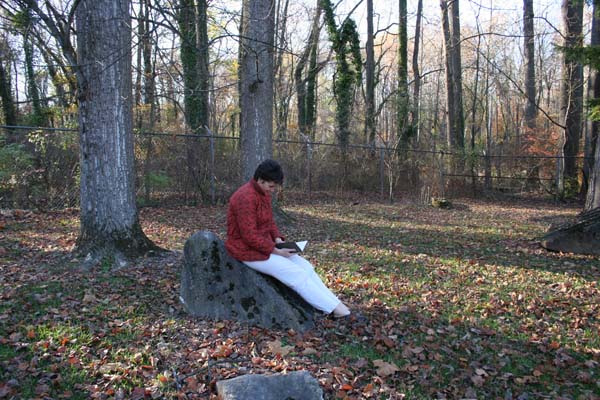
Each sister is committed to at least two hours of personal prayer every day, in her cell or other solitary place. Our beautiful grounds provide ample room for solitary reflection and contemplative prayer.
We take one hermit day each week when we keep silence in solitude the entire day, except when we gather in the evening for Eucharist. These days are spent with greater focus on prayer and spiritual reading. At other times, we maintain a quiet atmosphere in the monastery and do our work in silence, when this is possible.